Laissez-faire economics

Definition and stakes

Business Administration: Theory…

But now the other opportunities for the investment of capital were so profitable and alluring, and the need of it so great, that all the available labor and capital of the American people began to be devoted to the development of their internal resources. A nation cannot do everything with equal advantage at the same time any more than an individual can. Accordingly we began to withdraw our capital from shipping and devote it to agriculture, mining, manufacturing, transportation, and similar more profitable enterprises.
Source: Gutenberg

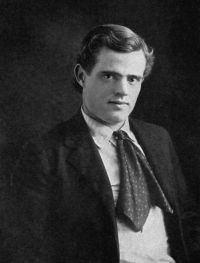
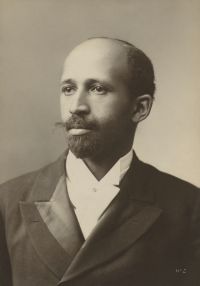
Portrait of Jack London Jack London War of the Classes (1905)

Having a monopoly of the safe investments, the great masses of unremunerative capital would be directed, not to the production of more surplus value, but to the making of permanent improvements, which would give employment to the people, and make them content with the new order of things.
Source: Wikisource

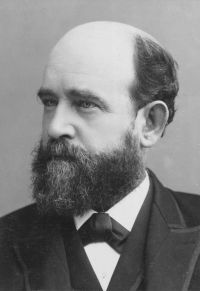
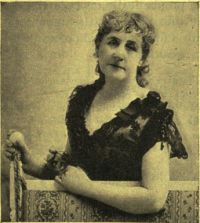
Portrait of Henry George Henry George Progress and Poverty, Volumes I and II

For this, at least, is now clear—that the cause which, in spite of the enormous increase of productive power, confines the great body of producers to the least share of the product upon which they will consent to live, is not the limitation of capital, nor yet the limitation of the powers of nature which respond to labor. As it is not, therefore, to be found in the laws which bound the production of wealth, it must be sought in the laws which govern distribution.
Source: Gutenberg

Get perspective with Kwize: daily news enlightened by great literature