Leavened bread

Definition and stakes

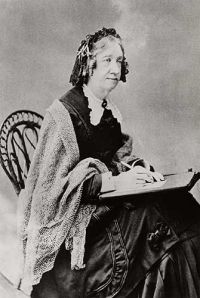
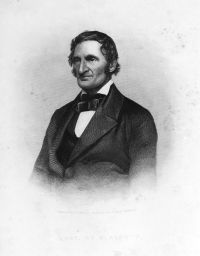
Portrait of Sylvester Graham Sylvester Graham,  A Treatise on Bread, and Bread-making (1837)

“ It is incontestibly true, that if two portions of the same kind of wheat meal be taken and made, the one into unleavened and the other into leavened bread, and both be eaten warm from the oven, the leavened bread will prove much more oppressive and difficult to manage in the stomach than the unleavened. But aside from the changes that are produced by the process of fermentation, there are many other considerations why unleavened bread of a proper quality and age, is better 29adapted to sustain the alimentary organs and general constitution of man, in their highest and best condition. ”
Source: Gutenberg

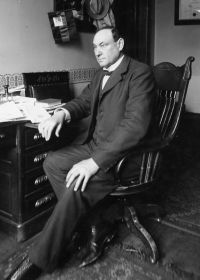
Portrait of Harvey Washington Wiley Harvey Washington Wiley,  Foods and Their Adulteration

“ In general all forms of bread may be divided into two great classes, leavened and unleavened. By far, the greater quantity of bread consumed belongs to the former class. Unleavened bread is used chiefly for certain religious festivals, in the form of biscuits or in certain varieties of Indian corn bread such as hoe cake, johnnie cake, etc. Of the leavened bread there are two distinct classes, namely, bread which is baked and eaten cold and bread which is consumed hot from the oven. ”
Source: Gutenberg

Get perspective with Kwize: daily news enlightened by great literature