Milk float

Definition and stakes

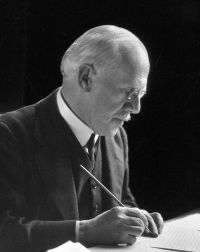
James Russel Roberts,  Stock and stalks (1921)

“ It is not absolutely necessary that milk be uncovered while it is being cooled, but the cover prevents the milk from cooling as rapidly. Remember that warm water always rises. The cold water will be at the bottom of the tank. Some farmers divide their milk so that the cans will all float. The milk warms the water and the warm water rises above the level of the milk in the cans. Milk should always be covered when left sitting by the road waiting for the hauler, and should always be covered in the wagon or truck. ”
Source: Gutenberg

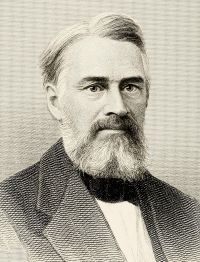
Portrait of Charles Louis Flint Charles Louis Flint,  Milch Cows and Dairy Farming

“ Cows fed on turnips in the stall always produce butter inferior to that of cows living upon the fresh and aromatic grasses of the pastures.
Succulent food in which water abounds—the green grass of irrigated meadows, green clover, brewers’ refuse, distillers’ refuse, etc.—increases the quantity, rather than the quality, of the milk; and by feeding these substances the milk-dairyman studies his own interest, and makes thin milk, without diluting it with water, though, in the opinion of some, this may be no more legitimate than watering the milk.
”
Source: Gutenberg

Sir Charles Alexander Cameron,  The Stock-Feeder's Manual

“ It is a matter of great importance that the dairy should not be situated near a pig-stye, sewer, or water-closet, the effluvia from which would be likely to taint the milk. It is surprising how small a quantity of putrescent matter is sufficient to taint a whole churn of milk; and as it has been demonstrated that the almost inappreciable emanations from a cesspool are capable of conferring a bad flavor on milk, it is in the highest degree important to remove from the churn and milk-pail every trace of the sour milk. ”
Source: Gutenberg

Get perspective with Kwize: daily news enlightened by great literature