Music stand

Definition and stakes

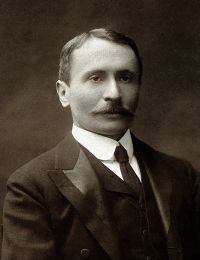
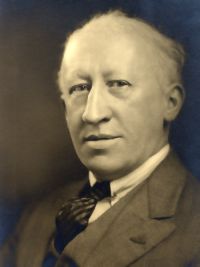
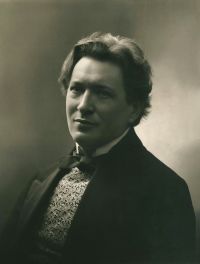
Portrait of Ferruccio Busoni Ferruccio Busoni,  Sketch of a New Esthetic of Music

“ MUSIC, AND SIGNS FOR MUSIC
What we now call our Tonal System is nothing more than a set of “signs”; an ingenious device to grasp somewhat of that eternal harmony; a meagre pocket-edition of that encyclopedic work; artificial light instead of the sun.—Have you ever noticed how people gaze open-mouthed at the brilliant illumination of a hall? They never do so at the millionfold brighter sunshine of noonday.—
And so, in music, the signs have assumed greater consequence than that which they ought to stand for, and can only suggest.
How important, indeed, are “Third,” “Fifth,” and “Octave”!
”
Source: Gutenberg

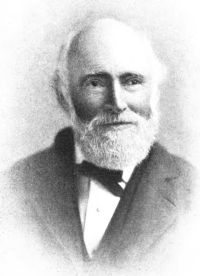
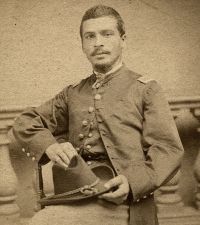
Portrait of James M. Trotter James M. Trotter,  Music and Some Highly Musical People

“ Often have I, when passing in the evening a dwelling from which floated out upon the air the notes of tuneful voices, accompanied by the piano-forte or some other instrument, paused to listen, lingering long, the ear so ravished by the sweet sounds as to cause me to stand almost spell-bound, and to remain under music's magic influence even after its charming sounds had died away. ”
Source: Gutenberg

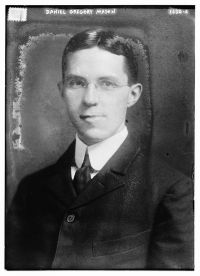
The Art of Music. Vol. 01 (of 14…

“ Instruments mark the rhythm much more strongly than voices, so that all sorts of dance movements are particularly appropriate for them. When the rhythm is so marked, comparatively short phrases of tune stand out sharply and balance each other like the verses in a couplet of poetry. Composers soon found out how further to group these phrases in definite parts or sections, so contrasted that the whole of the short piece or ‘movement’ presented a perfectly clear, sharp impression, had a definite beginning, middle, and end—a clear scheme of form. ”
Source: Gutenberg

Get perspective with Kwize: daily news enlightened by great literature