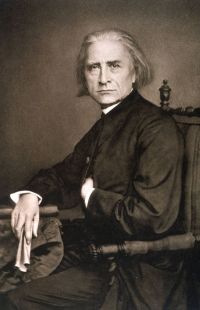
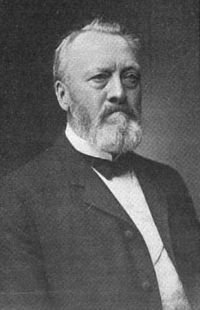
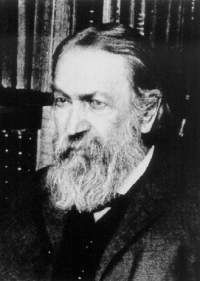
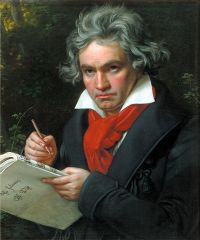
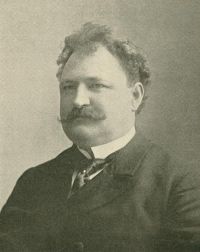
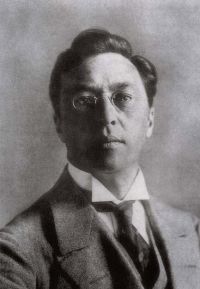
A musical score denotes a written composition of music, typically featuring simultaneous parts arranged vertically, serving as a blueprint for performance. Authors like Henry T. Finck emphasized its mental development, while Franz Liszt focused on its practical adaptation for instrumental use. Lawrence Gilman connected it to dramatic symbolism, and Clement A.
Harris outlined its technical requirements, from spacing to notation. Ernest Ford highlighted the effort required to translate performance into written form, and Oskar Bie traced its progression from melodic to harmonic complexity. These viewpoints reveal the score as both a technical instrument and a medium for artistic expression, bridging precision and creativity.
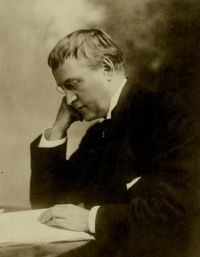 Henry T. Finck,
Chopin and Other Musical Essays
Henry T. Finck,
Chopin and Other Musical Essays