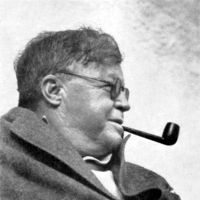
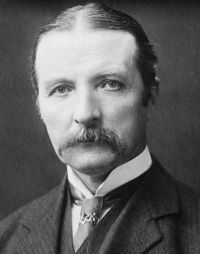
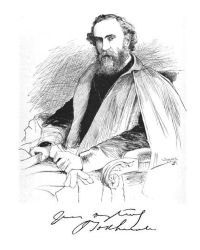
Mystery plays, Christian-themed medieval dramas, depicted biblical stories through tableaux and antiphonal singing, exploring themes such as Creation, the Last Judgment, and the lives of saints. Originating in liturgical contexts, they developed into intricate cycles performed by guilds, combining sacred storytelling with everyday language and collective involvement. Writers like D.H.
Lawrence emphasized their captivating impact on audiences, while Herbert Spencer observed their influence on the evolution of modern drama. These performances, frequently staged in cycles across Europe, integrated theology with theatrical creativity, leaving a legacy that shaped later religious and secular theatrical forms. Their fusion of sacred storytelling with communal ritual highlights their lasting cultural importance.
 D. H. Lawrence,
Twilight in Italy