Mythical animal

Definition and stakes

Helen A. Clarke,  A Guide to Mythology (1908)

“ At this time, too, it is likely that the worship of animals arose, for almost every tribe of savages had a sacred animal which, except in rare instances, it was never allowed to kill and from which it often imagined itself descended.
After many ages, mankind began to till the ground, and to raise grain and vegetables, then plants and trees were more especially observed by them, and the mythical stories have, in consequence, more about plants and trees in them; and, as they had sacred animals, they had also sacred trees or plants, and worshipped them or imagined themselves descended from them.
”

Source: Gutenberg

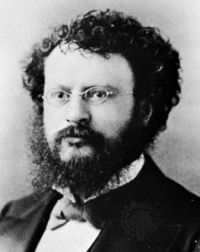
Portrait of Angelo De Gubernatis Angelo De Gubernatis,  Zoological Mythology; or, The Legends of Animals…

“ I have had to prove in mythology its most humble aspect, that is to say, the god enclosed in the animal; and inasmuch as amongst the various mythical animals which I have endeavoured to describe, several preserve the propitious character and resplendent form of the god, they are generally considered as the form which the deity assumes either to feed secretly upon the forbidden fruit or to fulfil a term of punishment for some former fault of his ”
Source: Gutenberg

Portrait of Arthur Charles Fox-Davies Arthur Charles Fox-Davies,  A Complete Guide to Heraldry (1909)

“ Thus departs yet another of the little fictions which past writers on armory have fostered and perpetuated. Whether the ancient Egyptians and Assyrians knew they were depicting mythical animals, and did it, intending them to be symbolical of attributes of their deities, something beyond what they were familiar with in their ordinary life, we do not know; nor indeed have we any certain knowledge that there have never been animals of which their figures are but imperfect and crude representations. ”
Source: Wikisource

Get perspective with Kwize: daily news enlightened by great literature