Natural motion

Definition and stakes

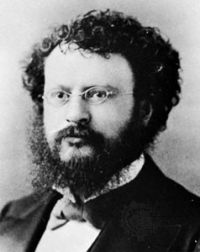
Portrait of Desiderius Erasmus Desiderius Erasmus,  Familiar Colloquies (1877)

“ But hark you, if what you said just now be true, that a natural motion by its progress grew more and more strong, if nothing hindered a stone or lead cast into the hole, by reason of the vehemence of its motion it would pass beyond the centre, and having got beyond the centre, the motion would grow more violent. Al. Lead would never come to the centre unless it were melted ; but a stone, if it did pass the centre with so violent a motion, would go at first more heavily and return to the centre again, just as a stone thrown up into the air returns again to the earth. ”
Source: Wikisource

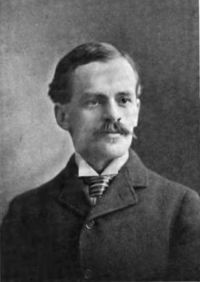
Portrait of Thomas P. Jones Thomas P. Jones,  Conversations on Natural Philosophy…

“ Motion. A continued and successive change of place, either of a whole body, or of the particles of [Pg 211] which a body is composed; the earth in revolving upon its axis only, would not change its place as a body, but all the particles of which it is composed, would revolve round a common axis of motion. In revolving in its orbit, its whole mass is constantly occupying a new portion of space. ”
Source: Gutenberg

Get perspective with Kwize: daily news enlightened by great literature