Nature (philosophy)

Definition and stakes

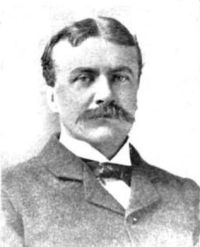
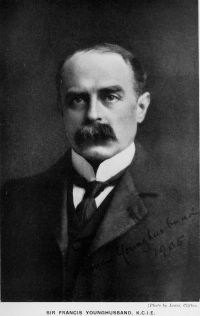
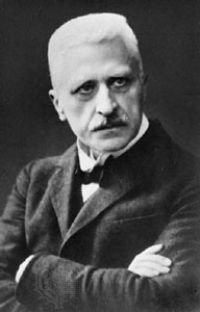
Portrait of Ralph Waldo Emerson Ralph Waldo Emerson,  The American Scholar (1838)

“ Yet when this spiritual light shall haverevealed the law of more earthly natures,—when he has learned to worship the soul, and to see that the natural philosophy that now is, is only the first gropings of its gigantic hand, he shall look forward to an ever expanding knowledge as to a becoming creator. He shall see, that nature is the opposite of the soul, answering to it part for part. One is seal, and one is print. Its beauty is the beauty of his own mind. Its laws are the laws of his own mind. Nature then becomes to him the measure of his attainments. ”
Source: Wikisource

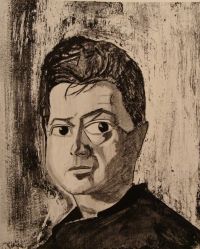
Portrait of Ralph Waldo Emerson Ralph Waldo Emerson,  Nature (1836)

“ Philosophically considered, the universe is composed of Nature and the Soul. Strictly speaking, therefore, all that is separate from us, all which Philosophy distinguishes as the not me, that is, both nature and art, all other men and my own body, must be ranked under this name, Nature. ”
Source: Wikisource

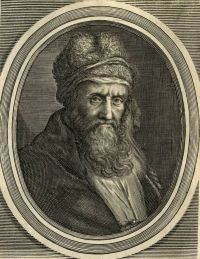
Duchess of Margaret Cavendish Newcastle,  Philosophical Letters: or, modest Reflections upon some Opinions in Natural Philosophy

“ Wherefore, my opinion is, that the Natural Soul, Life, and Body, are all substantial parts of Infinite Nature, not subsisting by themselves each apart, but inseparably united and co-mixed both in their actions and substances; for not any thing can and doth subsist of it self in Nature, but God alone; and things supernatural may, for ought I know: 'Tis true, there are several Degrees, several particular Natures, several Actions or Motions, and several Parts in Nature, but none subsists single, and by it self, without reference to the whole, and to one another. ”
Source: Gutenberg

Get perspective with Kwize: daily news enlightened by great literature