Organic disease

Definition and stakes

John Grove,  Epidemics Examined and Explained…

“ The organic diseases of plants and animals depend upon a repetition, or continuance, of functional derangement. As a consequence of this, the nutrition and reproduction of tissues lose their normal and definite character, wherefrom an indefinite and abnormal result is obtained. There is a limit to abnormal productions, and they are apparently {147}subject to laws, though not yet understood. In animals, they may be either excessive development of natural tissue in natural localities, as obesity and fatty tumours ”
Source: Gutenberg

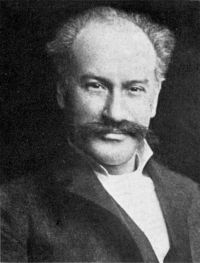
Portrait of Henry Gradle Henry Gradle,  Popular Science Monthly (1883)

“ Hence rotting material, teeming with bacterial life, may or may not contain disease-producing germs, according to whether the latter have settled upon it by accident or not. Even if these disease-producing species were as numerous in the dust as the common bacteria of putrefaction, which we do not know, they would be at a disadvantage, as far as their increase is concerned. For experience has shown that the germs of most diseases require a special soil for their growth, and can not live, like the agents of putrefaction, upon any organic refuse. ”
Source: Wikisource

Get perspective with Kwize: daily news enlightened by great literature