Peculation

Definition and stakes

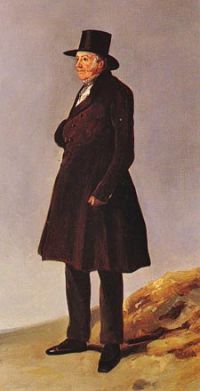
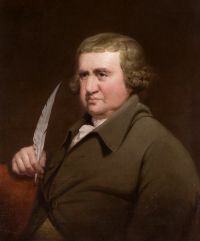
Portrait of Erasmus Darwin Erasmus Darwin,  Zoonomia, or, the Laws of Organic Life… (1796)

“ The absorbent vessels of the embryon continue to drink up nourishment from the fluid in which they swim, or liquor amnii; and which at first needs no previous digestive preparation; but which, when the whole apparatus of digestion becomes complete, is swallowed by the mouth into the stomach, and being mixed with saliva, gastric juice, bile, pancreatic juice, and mucus of the intestines, becomes digested, and leaves a recrement, which produces the first feces of the infant, called meconium. ”
Source: Wikisource

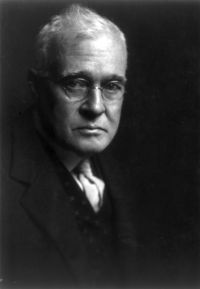
Various,  The American Practitioner and News…

“ The stomach, after a variable length of time, during which the peptic ferments accomplish their allotted task more or less thoroughly and completely, delivers the resultant mass over to the small intestine, where the secretions from the pancreas, liver, and intestinal glands, by finishing the transformation of the starch begun before the stomach was reached, emulsifying the fatty constituents, etc., complete the complex work of digestion. ”
Source: Gutenberg

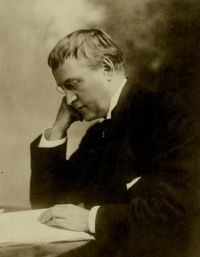
Various,  The New Gresham Encyclopedia. Deposition to Eberswalde

“ By this motion the aliments are mechanically separated into their smallest parts, penetrated by the gastric juice, and transformed into a uniform pulpy or fluid mass. The gastric juice acts upon the albuminous parts of the food, converting them into peptones, which can pass through organic membranes and thus enter the blood. This [32] action is aided by the warmth of the stomach. The pulpy mass, called chyme, proceeds from the stomach, through the pylorus, into that part of the intestinal canal called the small intestine, where it is mixed with the pancreatic juice, bile, and intestinal juice. ”
Source: Gutenberg

Get perspective with Kwize: daily news enlightened by great literature