Pianoforte

Definition and stakes

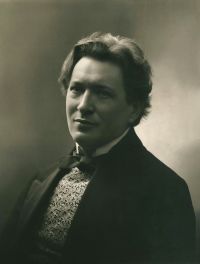
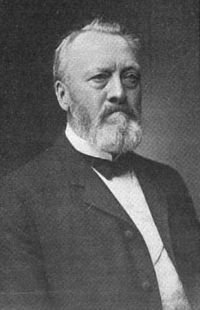
Portrait of Gustav Kobbé Gustav Kobbé,  How to Appreciate Music

“ How delightful, too, it is to go through the pianoforte score of a Wagner music-drama and, as you play the wonderful music—all placed within the grasp of your ten fingers—watch the scenic pictures and the action pass in imagination before your eyes in your own music room without the defects inseparable from every public performance, because the success of a performance depends upon the co-operation of so many who do not co-operate. Yes, the pianoforte is the king of instruments because it is the most independent of instruments and because it makes him who plays upon it independent. ”
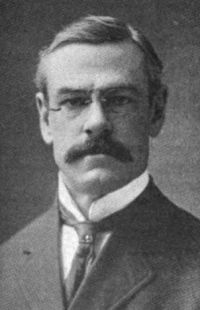
Source: Gutenberg

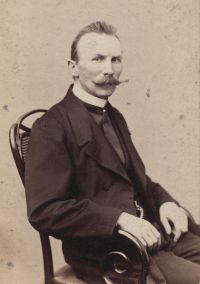
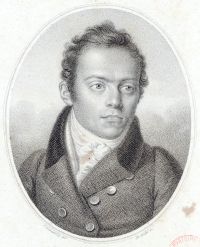
Portrait of Walter Raymond Spalding Walter Raymond Spalding,  Music: An Art and a Language

“ Again, the pianoforte is not meant for great rapidity of utterance, such as, for instance, we associate with the violin, the flute or the clarinet. It is, in fact, often played too fast, sounding like a pianola or a machine rather than an instrument with a soul. If there be no lingering over the notes, beautiful effects have no opportunity to be heard. Rapidity and brilliance on the pianoforte do not depend on so many notes per second but on vitality and precision of accent. ”
Source: Gutenberg

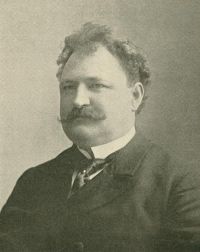
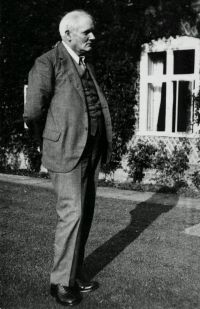
Portrait of Gustav Kobbé Gustav Kobbé,  How to Appreciate Music

“ In the circumference of its seven octaves it embraces the whole range of an orchestra, and a man’s ten fingers are enough to render the harmonies which in an orchestra are brought out only by the combination of hundreds of musicians. The pianoforte has on the one side the capacity of assimilation, the capacity of taking unto itself the life of all instruments; on the other hand it has its own life, its own growth, its own individual development. ”
Source: Gutenberg

Get perspective with Kwize: daily news enlightened by great literature