Program music

Definition and stakes

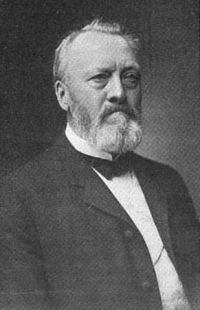
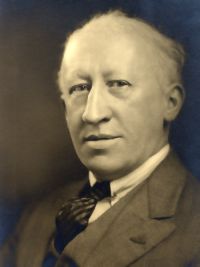
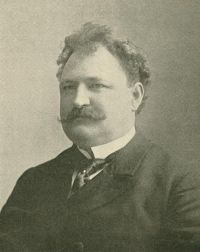
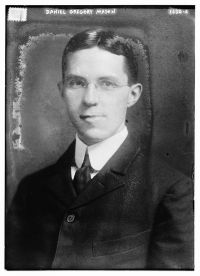
Portrait of Daniel Gregory Mason Daniel Gregory Mason,  Contemporary Composers

“ Program music, a sort of idealized opera with scenery and actors left to the imagination, fulfilled the same indispensable service for the novice in the concert-room.
The immense popularity of the program idea, from that day to this, is evidence of its complete fitness to the needs of its audience. It says to them, in effect: "You have little 'ear' for music, and take no more joy in the [11] highly organized melodies of a Beethoven symphony or a Bach fugue, with their infinite subtlety of tonal and rhythmic relationships, than in the most trivial tunes.
”
Source: Gutenberg

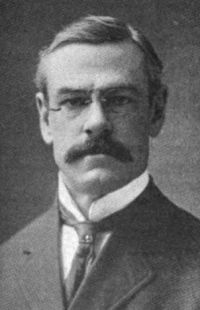
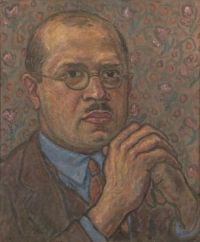
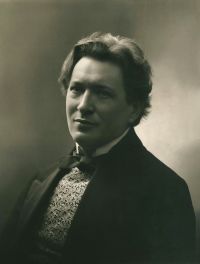
Portrait of Ferruccio Busoni Ferruccio Busoni,  Sketch of a New Esthetic of Music

“ PROGRAM AND MOTIVE The name of Wagner leads to program-music. This has been set up as a contrast to so-called “absolute” music, and these concepts have become so petrified that even persons of intelligence hold one or the other dogma, without recognition for a third possibility beyond and above the other two. In reality, program-music is precisely as one-sided and limited as that which is called absolute. In place of architectonic and symmetric formulas, instead of the relation of Tonic to Dominant, it has bound itself in the stays of a connecting poetic—sometimes even philosophic—program. ”
Source: Gutenberg

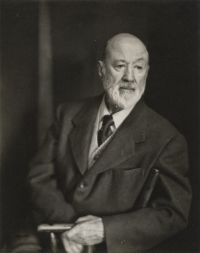
Portrait of Charles Ives Charles Ives,  Essays Before a Sonata

“ Does the success of program music depend more upon the program than upon the music? If it does, what is the use of the music, if it does not, what is the use of the program? Does not its appeal depend to a great extent on the listener's willingness to accept the theory that music is the language of the emotions and ONLY that? ”
Source: Gutenberg

Get perspective with Kwize: daily news enlightened by great literature