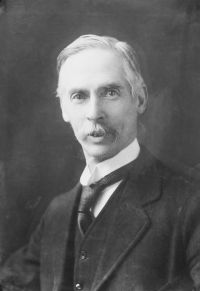
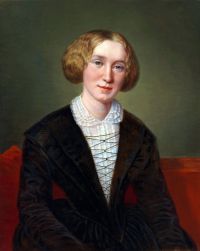
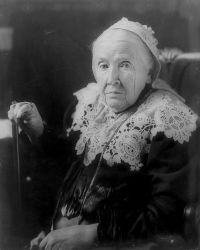
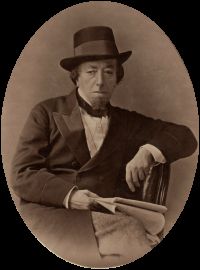
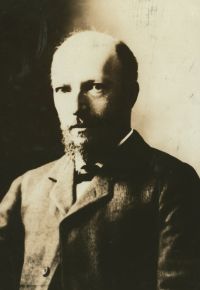
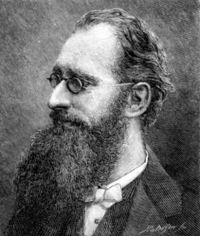
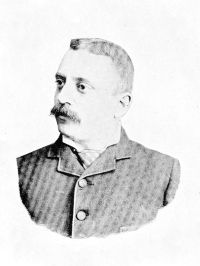
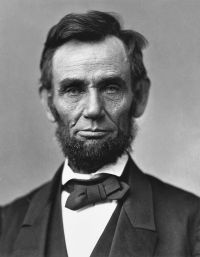
Public spirit, often associated with communal responsibility and the well-being of society, has been explored from various perspectives by thinkers such as William De Witt Hyde, who viewed it as an acknowledgment of mutual dependence within society, and James Walker, who highlighted its persistent role in historical development.
In contrast, John Atkinson Hobson cast doubt on its motivations, proposing that self-interest might lie beneath seemingly altruistic actions, while John Stuart Mill distinguished this by pointing out the lack of public spirit in everyday social roles. George Eliot, on the other hand, advocated for its widespread impact across all levels of society. These viewpoints illustrate public spirit as both a unifying ideal and a multifaceted human drive, crucial for social unity yet continuously open to examination and reevaluation.
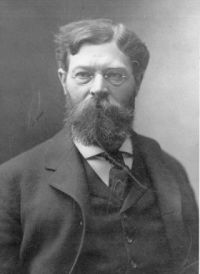 William De Witt Hyde,
Practical Ethics
William De Witt Hyde,
Practical Ethics