Railroad rate

Definition and stakes

Edward Hungerford,  Our Railroads To-Morrow

“ You can lead a horse to water but you cannot make him drink. Which, being freely translated, means that you can raise railroad rates to a point where traffic begins to fade away, to find other pathways for itself, or to cease altogether. This is particularly true of passenger rates. A nation-wide rate of more than three and one-half cents a mile, with a heavy increase in the Pullman rates to keep pace, is not a particular inducement to travelers. ”
Source: Gutenberg

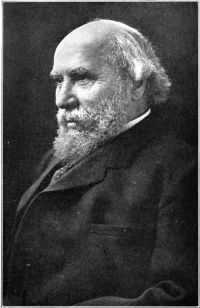
Portrait of James J. Hill James J. Hill,  The Country's Need of Greater Railway Facilities and Terminals

“ A railroad has no other source of income, generally speaking, than receipts from rates. These have steadily declined. While the price of everything else rises, the price of transportation falls. The average freight rate per ton per mile received by the railroads of the United States fell from 9.27 mills in 1890 to 7.53 mills in 1910. This is partly the effect of legislative regulations and the orders of public commissions, and partly due to voluntary [11] reductions made possible by increased efficiency and increase in the density of traffic. ”
Source: Gutenberg

Howard Elliott,  The Truth About The Railroads (1913)

“ In fact, if railroad-owners are not hampered and restricted too much, and are encouraged to perfect the means of transportation and the expansion of business, the rates in this country will probably continue to fall gradually, so that they will be below the present very low average of three fourths of a cent. On the other hand, discourage the railroad-owner, and give the Federal Government the power to fix the actual rate, and the tendency will be to an average higher rate. ”
Source: Wikisource

Get perspective with Kwize: daily news enlightened by great literature