Railway industry

Definition and stakes

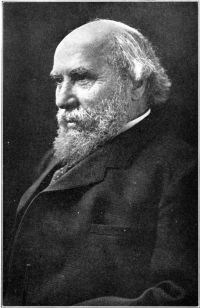
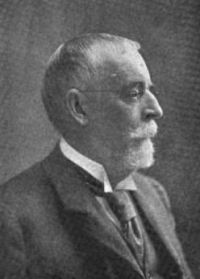
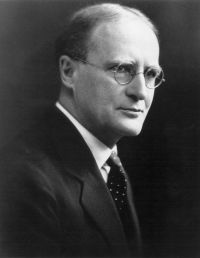
Portrait of Edwin A. Pratt Edwin A. Pratt,  A History of Inland Transport and Communication in England… (1912)

“ Railways, as developed in England, have thus done more than increase the facilities and decrease the cost of actual transport. They have, in various ways, increased the facilities for, and decreased the cost of the exchange of, commodities, since there is many a trader in the country who conducts his business much more with the help of a railway company's capital than he does with his own. It is not alone that trade and industry have vastly increased in volume as the result of railway operation. ”
Source: Wikisource

Railway Adventures and Anecdotes…

“ He knew that Europe and America were welcoming the railway, and that it was promising to link together the whole civilized world.
“Of the ‘profit’ of his labours to humanity I scarcely venture to speak, since it cannot possibly be told in a few words. The railway system has revolutionised society. It has powerfully affected every class, every interest and department of life. It has given an incredible impulse to commerce, quickened human thought, created a new language, new habits, tastes and pleasures. It has opened up fields of industry and enterprise inaccessible and unknown before.
”
Source: Gutenberg

Frederick C. Bakewell,  Great Facts

“ In a national and in a social point of view, also, railways have produced important improvements. They tend to equalize the value of land throughout the kingdom, by bringing distant sources of supply nearer the points of consumption; they have given extraordinary stimulus to manufacturing industry; and by connecting all parts of the country more closely together, railway communication has concentrated the energies of the people, and has thus added materially to their wealth, their comforts, and to social intercourse. ”
Source: Gutenberg

Get perspective with Kwize: daily news enlightened by great literature