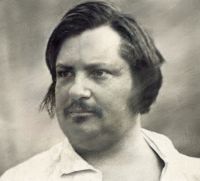
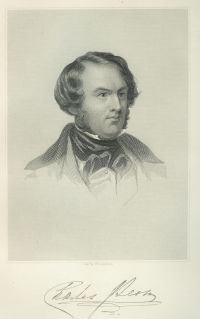
The concept of recusant—a person who declines to comply with a demand, often in religious or moral contexts—has long fascinated writers examining duty, conscience, and social obligation. From Maud C. Cooke’s focus on composed refusal in social customs to Honoré de Balzac’s commentary on passive resistance as “the discretion of locked doors,” authors have wrestled with the conflict between personal integrity and communal expectation.
The Younger Pliny viewed refusal as a tactical means, while Charles Dickens emphasized its moral significance in personal disputes. These diverse viewpoints illustrate how recusancy embodies both the challenges and the bravery inherent in ethical decision-making.