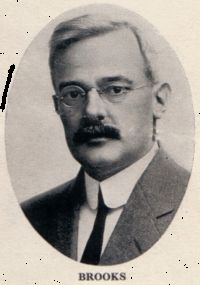
A simile is a rhetorical device that draws explicit comparisons between two distinct entities, often to clarify, enrich, or elevate meaning. Writers have long used similes to connect the literal with the imaginative, as Stratton D. Brooks observes, by juxtaposing items from different categories to emphasize particular similarities.
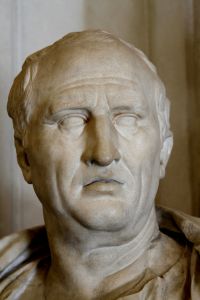
Samuel Johnson highlighted their function in didactic versus heroic poetry, while Alexander Pope praised their ability to "sanctify entire poems." Marcus Cornelius Fronto underscored their capacity to expand or elucidate ideas, and Herbert Spencer examined their positioning for optimal effect. These diverse viewpoints illustrate similes as instruments that anchor thought in concrete imagery while elevating language through imaginative resonance.