Social insurance

Definition and stakes

J. N. Larned,  History For Ready Reference, Volume 7 (1895)

“ The ‘social insurance’ principle is entirely different from that of either ‘liability’ or ‘compensation.’ The word ‘compensation’ carries a little of the flavor of the ancient damage suit, while ‘insurance’ is simply an amicable business arrangement to provide in advance for the inevitable average risk of the trade, which may be extended beyond the perils of the shop and mill to all places and conditions of the workman's life. ”
Source: Gutenberg

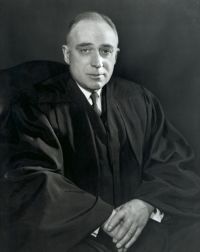
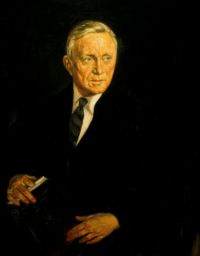
Portrait of William O. Douglas William O. Douglas,  Flemming v. Nestor — Dissent

“ As the late Senator George, long Chairman of the Senate Finance Committee and one of the authors of the Social Security system, said:
'There has developed through the years a feeling both in and out of Congress that the contributory social insurance principle fits our times-that it serves a vital need that cannot be as well served otherwise. It comports better than any substitute we have discovered with the American concept that free men want to earn their security and not ask for doles-that what is due as a matter of earned right is far better than a gratuity.
”
Source: Wikisource

Thames Williamson,  Problems in American Democracy

“ If, therefore, the risks of industry are adequately to be insured against, the initiative must be taken by some one other than the laborer. As a result of this situation, there has developed the principle of social insurance. Social insurance, as distinguished from insurance by trade unions or private agencies, is compulsory, and is administered, or at least supervised, by the state or Federal authorities. ”
Source: Gutenberg

Get perspective with Kwize: daily news enlightened by great literature