Spring (mechanism)

Definition and stakes

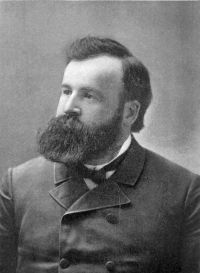
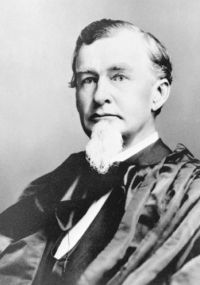
Portrait of A. Frederick Collins A. Frederick Collins,  The Radio Amateur's Hand Book

“ If it were not for the air surrounding it and other frictional losses, the spring would vibrate for a very long time as the stored up energy and the energy of motion would practically offset each other and so the energy would not be used up. But as the spring beats the air the latter is sent out in impulses and the conversion of the vibrations of the spring into waves in the air soon uses up the energy you have imparted to it and it comes to rest. ”
Source: Gutenberg

Sir J. A. Fleming,  Waves and ripples in water, air… (1912)

“ At one moment the spring is moving violently, and at the next it is bent to its utmost extent; and these states succeed each other. The store of energy in the vibrating spring is, however, gradually frittered away, partly because the continual bending of the steel heats it, and this heat dissipates some of the energy; but also because the spring, if vibrating quickly enough, imparts its energy to the surrounding air, and creates air waves, which travel away, and rapidly rob the vibrating spring of its stock of energy. ”
Source: Gutenberg

Get perspective with Kwize: daily news enlightened by great literature