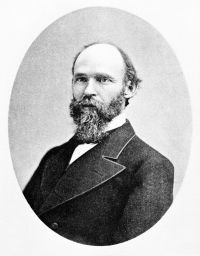
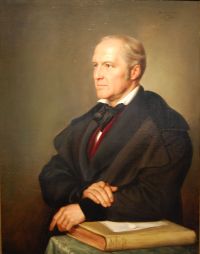
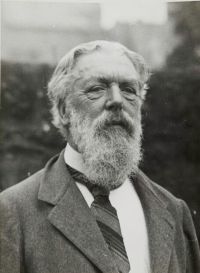
Symbiosis refers to a close, long-term biological association between different species, often involving mutual advantage, though it can also include parasitism or commensalism. This idea, defined by Heinrich Anton de Bary as "the living together of unlike organisms," has been examined by scholars such as George Vivian Poore, who focused on mutualistic relationships in plants, and E. W. Burgess, who highlighted its common occurrence in ecosystems such as forests.
Cyril G. Hopkins connected symbiosis with agricultural alliances between bacteria and legumes, while John Bernhard Smith emphasized its significance in characterizing interdependent life forms. These diverse viewpoints illustrate symbiosis as a fundamental element of ecological and evolutionary processes, promoting interdependence and influencing the coexistence of species across various biological realms.