Synthesis (philosophy)

Definition and stakes

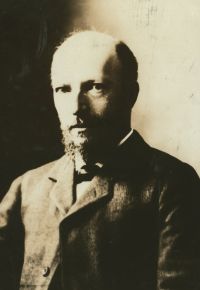
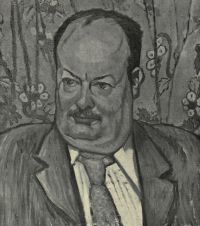
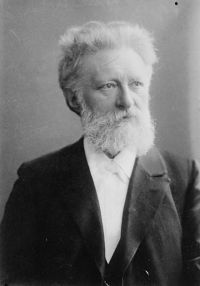
Portrait of Rudolf Eucken Rudolf Eucken,  Life's Basis and Life's Ideal: The Fundamentals of a New Philosophy of Life

“ A characteristic synthesis first made its appearance at the height of classical Antiquity. It was art, chiefly plastic art, that determined the nature of this synthesis. Form as a unifying and systematising power is at the centre of life, takes possession of matter and organises it, transforms chaos into a cosmos; and in this exercise of power it realises itself, even though its fundamental nature is regarded as transcending all change and variation. ”
Source: Gutenberg

Jaime Luciano Balmes,  Fundamental Philosophy, Vol. 1…

“ If they have a difficulty to solve, they show the root of the error, and with a word dispel all the illusion of sophistry. If they use synthesis, they first establish the principle which is to serve as its basis, and with one dash trace the road to be followed in order to reach the wished-for result. If they make use of analysis, they strike in its secret resort the point where decomposition is to commence, they at once open the object, and reveal to us its most obscure mysteries. ”
Source: Gutenberg

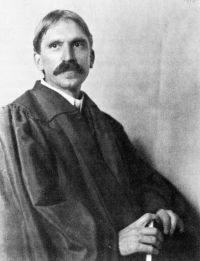
Portrait of Rudolf Eucken Rudolf Eucken,  Life's Basis and Life's Ideal: The Fundamentals of a New Philosophy of Life

“ Should such a universal synthesis be at all possible, it must certainly be something which is to be found and disclosed rather than something which simply is to be produced from ourselves. How could we hope to advance to it if it were not somehow involved in the depth of our being, and in our fundamental relation to the world, and if it did not already exist here in some way? ”
Source: Gutenberg

Get perspective with Kwize: daily news enlightened by great literature