Taste (sensation)

Definition and stakes

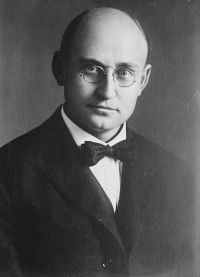
Portrait of Adam Smith Adam Smith,  The Essays of Adam Smith

“ When we say that the food which we eat has an agreeable or disagreeable taste in every part of it, we do not thereby mean that it has the feeling or sensation of taste in any part of it, but that in every part of it, it has the power of exciting that feeling or sensation in our palates. ”

Source: Gutenberg

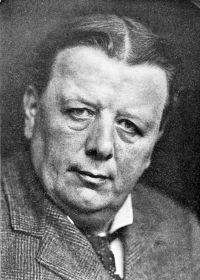
Portrait of Brillat-Savarin Brillat-Savarin,  The Physiology of Taste; Or, Transcendental Gastronomy

“ Complete sensation is that composed of the first impression which is created when the food abandons this first position, passes into the back of the mouth, and impresses all the organ with both taste and perfume.
Reflected sensation is the judgment which conveys to the soul the impressions transmitted to it by the organ.
Let us put this system in action by observing what takes place when a man either eats or drinks. Let a man, for instance, eat a peach, and he will first be agreeably impressed by the odor which emanates from it.
”
Source: Gutenberg

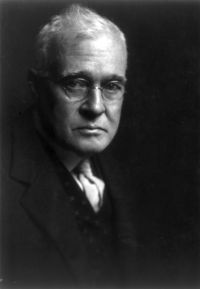
Joseph C. Hutchison,  A Treatise on Physiology and Hygiene

“ Thus an astringent taste, like that of alum, is more properly an astringent feeling, and {191}results from an impression made upon the nerves of touch, that ramify in the tongue. In like manner, the qualities known as smooth, oily, watery, and mealy tastes, are dependent upon these same nerves of touch. A burning or pungent taste is a sensation of pain, having its seat in the tongue and throat. A cooling taste, like that of mint, pertains to that modification of touch called the sense of temperature. ”
Source: Gutenberg

Get perspective with Kwize: daily news enlightened by great literature