
Tempera painting

Definition and stakes

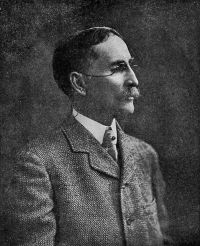
Portrait of John Henry Middleton John Henry Middleton,  Encyclopædia Britannica, Ninth Edition (1888)

“ The disadvantages of tempera painting are that it will not bear exposure to the weather; the pigments merely lie on the surface and do not sink into the stucco, as is the case with true fresco pigments; moreover, the medium used, being soluble in water, will not stand the rain. Its advantages are that the painter can work at leisure, and can also transfer or sketch his whole design on the dry finished surface ”
Source: Wikisource

Giorgio Vasari,  Vasari on technique (1907)

“ Tempera painting has had a far longer history and more extensive use than any other kind. The technique predominated for all kinds of painting among the older Oriental peoples and in classical lands, and was in use both on walls and on panels in Western Europe north of the Alps during the whole mediaeval period, while south of the Alps and at Byzantium it was to a great extent superseded for mural painting by fresco, but remained in fashion for panels till the end of the fifteenth century. ”
Source: Gutenberg

Various,  The Atlantic Monthly, Volume 06…

“ The favorite field of the early masters was fresco-painting. Unlike painting in oils, it has no resources of transparency, brilliancy, and richness of coloring, but depends for its nobility of effect upon the hardier virtues of art and the more robust genius of the artist. His success lies in strong and eloquent design and composition, with but feeble aid from color. Fresco and tempera paintings were chiefly intended for the interiors of churches or public buildings, whose dim light harmonized their more or less crude and positive tones. ”
Source: Gutenberg

Get perspective with Kwize: daily news enlightened by great literature