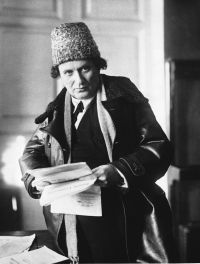
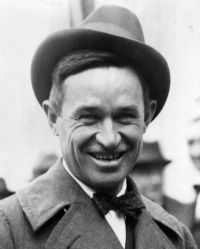
A third party denotes a political group that functions outside the prevailing two-party framework, frequently promoting alternative policies or contesting entrenched power structures. In different contexts, scholars have examined its role, from Carl Schurz’s measured optimism regarding third-party movements as agents of reform to Woodrow Wilson’s criticism of their impractical goals.
Johann Gottlieb Fichte cautioned against the risks associated with a third party's possible partiality, while R.E. Vernède emphasized the perils of exaggerating its impact. These viewpoints illustrate how third parties, whether as challengers or mediators, influence political landscapes by compelling major parties to adjust, despite enduring structural constraints.
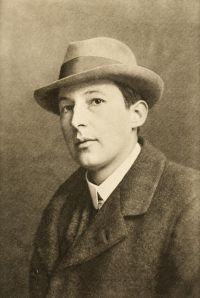 R. E. Vernède,
The Fair Dominion: A Record of Canadian Impressions
R. E. Vernède,
The Fair Dominion: A Record of Canadian Impressions