Transparent material

Definition and stakes

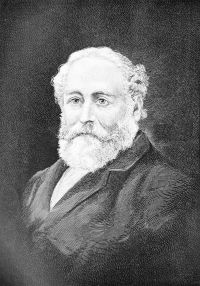
George Field,  Field's Chromatography

“ Transparency is an essential property of all glazing pigments, and adds greatly to the value of dark or shading colours; indeed it is the prime quality upon which depth and darkness depend, as whiteness, or light, does upon opacity or reflecting power. Opacity is, therefore, the antagonist of transparency, and qualifies pigments to cover in dead-colouring, or solid painting, as well as to combine with transparent colours in forming tints ”
Source: Gutenberg

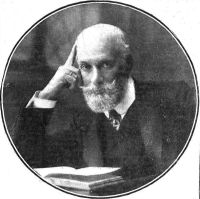
Portrait of John Ruskin John Ruskin,  The Two Paths (1859)

“ The reason of this second law is, that if you don't want the qualities of the substance you use, you ought to use some other substance: it can be only affectation, and desire to display your skill, that lead you to employ a refractory substance, and therefore your art will all be base. Glass, for instance, is eminently, in its nature, transparent. If you don't want transparency, let the glass alone. Do not try to make a window look like an opaque picture, but take an opaque ground to begin with. ”
Source: Wikisource

Get perspective with Kwize: daily news enlightened by great literature