Urinary bladder

Definition and stakes

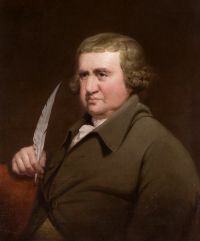
Portrait of Everard Home Everard Home,  ../../ (1806)

“ The enlargement of this lobe produces an effect which is not generally known, and leads medical practitioners into an error respecting the nature of the complaint. The orifice of the urinary bladder, which is the lowest part in the natural state, is raised up in proportion to the increase of this lobe; so that none of the contents below that level can be expelled, although whatever is above it is allowed with more or less difficulty to pass out. In this way the person never evacuates more than one half or one third of the urine contained in the bladder ”

Source: Wikisource

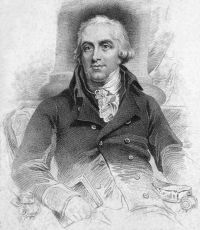
Portrait of Robert Liston Robert Liston,  Elements of Surgery

“ In such cases the bladder often attains a very large size. At first the accumulation produces all the uneasy symptoms formerly mentioned, but after some time these subside, and the urine drains away according as it is secreted, without, however, the original accumulation and tumour being diminished. This state of the urinary system is very common in old people, who neglect natural calls to empty the viscus during the night, or while sitting socially after dinner. The uneasiness gradually goes off, and when they at length think of making water, none can be got to flow. ”
Source: Gutenberg

The Home Medical Library, Volume 2…

“ Local disorders of the urinary organs are more frequent causes of the trouble, as inflammation of any part of the urinary tract, diabetes, nephritis, stone in the bladder, tumors, and malformations. The involuntary passage of urine may arise from irritability of bladder—the most frequent cause—or from weakness of the muscles which restrain the escape of urine, or from obstruction to flow of urine from the bladder, with overflow when it becomes distended. ”
Source: Gutenberg

Get perspective with Kwize: daily news enlightened by great literature