White wine

Definition and stakes

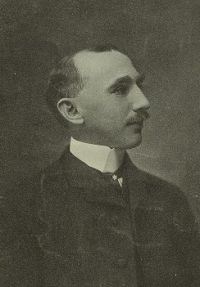
Emmet H. Rixford,  The Wine Press and the Cellar: A Manual for the Wine-Maker and the Cellar-Man

“ It is true that white wine may be made from white grapes by the process that is employed in making red wine from colored grapes, but then it ceases to be what is commonly called white wine, and possesses all the characteristics of red wine except its color, which of itself has little effect upon the wine, except to change its appearance; for when white wine has been colored by the addition of a small quantity of very dark wine, it remains white wine still in all its other characteristics, and the difference is readily detected by experts. ”
Source: Gutenberg

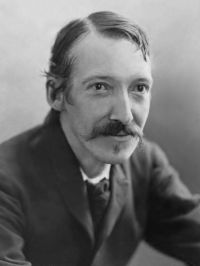
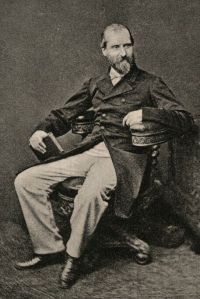
Portrait of Henry Vizetelly Henry Vizetelly,  Facts About Champagne and Other Sparkling Wines

“ On our left hand is Mailly, the vineyards of which join those of Verzenay, and yield a wine noted for finesse and bouquet. From the wooded knolls hereabouts a view is gained of the broad plains of the Champagne, dotted with white villages and scattered homesteads among the poplars and the limes, the winding Vesle glittering in the sunlight, and the dark towers of Notre Dame de Reims, with all their rich Gothic fretwork, rising majestically above the distant city. ”
Source: Gutenberg

Emmet H. Rixford,  The Wine Press and the Cellar: A Manual for the Wine-Maker and the Cellar-Man

“ Different kinds of White Wine.—Boireau divides white wines into three classes: dry, mellow, and sweet, whose characteristics depend essentially upon the density of their musts.
In Dry White Wines fermentation is complete, and all the sugar that is appreciable by the taste or the hydrometer, except the small amount changed into other substances, is transformed into alcohol and carbonic acid. The grapes are gathered as soon as ripe, and are not allowed to shrivel. The density of the must rarely exceeds 13° Baumé.
”
Source: Gutenberg

Get perspective with Kwize: daily news enlightened by great literature