The concept of the "working man" encompasses both a socio-economic role and a literary motif, reflecting the challenges, dignity, and ambitions of laborers across various historical and ideological settings. From Friedrich Engels’ stark portrayals of industrial hardship to Upton Sinclair’s powerful depiction of a worker’s sacrifices, writers have examined this theme through perspectives on class conflict, human endurance, and systemic criticism.
Gerald Stanley Lee and Page Fox emphasize the relationship between employer and employee, underscoring mutual respect and opportunity, while the Industrial Workers of the World’s song highlights the widespread call for justice. These varied viewpoints together illustrate the working man as a figure of both oppression and the persistent pursuit of autonomy in capitalist societies.
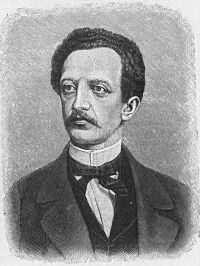 Ferdinand Lassalle,
The Working Man's Programme
(1884)