Baths of Caracalla

Definition and stakes

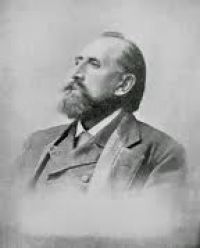
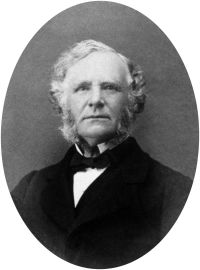
Portrait of Percy Bysshe Shelley Percy Bysshe Shelley,  The Complete Poetical Works of Percy Bysshe Shelley…

“ This Poem was chiefly written upon the mountainous ruins of the Baths of Caracalla, among the flowery glades, and thickets of odoriferous blossoming trees, which are extended in ever winding labyrinths upon its immense platforms and dizzy arches suspended in the air. The bright blue sky of Rome, and the effect of the vigorous awakening spring in that divinest climate, and the new life with which it drenches the spirits even to intoxication, were the inspiration of this drama. ”
Source: Gutenberg

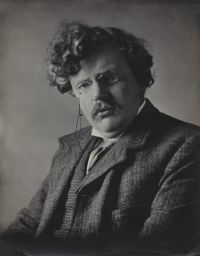
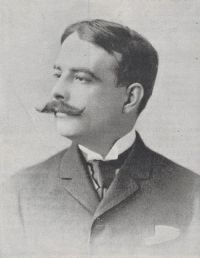
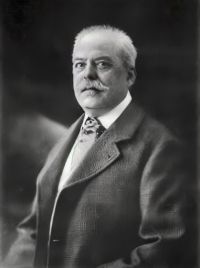
Portrait of Rodolfo Amedeo Lanciani Rodolfo Amedeo Lanciani,  Pagan and Christian Rome

“ In reading the account of his excavation of the Baths, we seem to be transported to dreamland. No one before him had laid hands on the immeasurable treasures which the building contained. Statues were found in their niches or lying in front of them; the columns were standing on their pedestals; the walls were still incrusted with rare marbles and richly carved panels; the swimming-basins were still ready for use. Pietro Sante Bartoli says: "The excavation of the Baths of Caracalla, which took place in the time of Paul III. (1546) is the most successful ever accomplished. ”
Source: Gutenberg

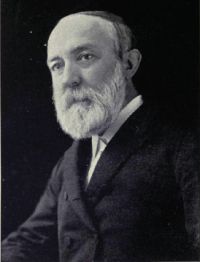
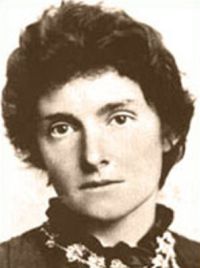
Portrait of Felix Leopold Oswald Felix Leopold Oswald,  Popular Science Monthly (1879)

“ The baths of Caracalla, which furnished the means of physical purification to tens of thousands, were certainly as useful—practically and morally—as the Serapion or the temple of Jupiter Capitolinus; and one per cent, of the wealth that has been expended on churches, Sunday-schools, foreign missions, and other attempts to secure the post-mortem felicity of the masses, would suffice to make their terrestrial existence far more endurable. ”
Source: Wikisource

Get perspective with Kwize: daily news enlightened by great literature