Celtic literature

Definition and stakes

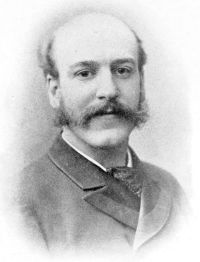
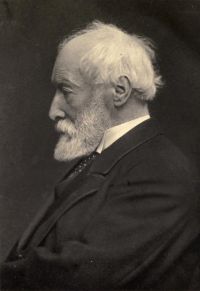
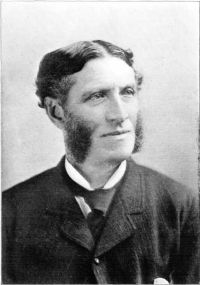
Portrait of Matthew Arnold Matthew Arnold,  Celtic Literature

“ I, on certain terms, wish to make a great deal more of it than is made now; and I regard the Welsh literature,—or rather, dropping the distinction between Welsh and Irish, Gaels and Cymris, let me say Celtic literature,—as an object of very great interest. My brother Saxons have, as is well known, a terrible way with them of wanting to improve everything but themselves off the face of the earth; I have no such passion for finding nothing but myself everywhere; I like variety to exist and to show itself to me, and I would not for the world have the lineaments of the Celtic genius lost. ”
Source: Gutenberg

H. E. Marshall,  English Literature for Boys and Girls

“ It is thus from Anglo-Saxon, and not from Gaelic or Cymric, that the language we speak to-day comes.
Yet our Celtic forefathers have given something to our literature which perhaps we could never have had from English alone. The Celtic literature is full of wonder, it is full of a tender magic and makes us feel the fairy charm of nature, although it has not the strength, the downrightness, we might say, of the English. It has been said that every poet has somewhere in him a Celtic strain.
”
Source: Gutenberg

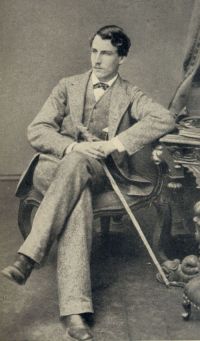
Portrait of Matthew Arnold Matthew Arnold,  Celtic Literature

“ Few of us have any notion what a mass of Celtic literature is really yet extant and accessible. One constantly finds even very accomplished people, who fancy that the remains of Welsh and Irish literature are as inconsiderable by their volume, as, in their opinion, they are by their intrinsic merit; that these remains consist of a few prose stories, in great part borrowed from the literature of nations more civilised than the Welsh or Irish nation, and of some unintelligible poetry. ”
Source: Gutenberg

Get perspective with Kwize: daily news enlightened by great literature