Estates-General of 1789

Definition and stakes

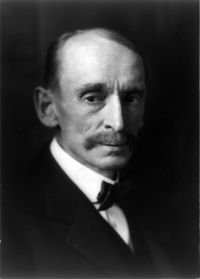
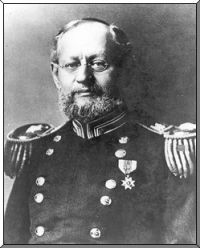
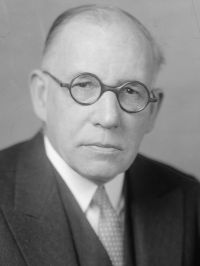
Portrait of Carlton J. H. Hayes Carlton J. H. Hayes A Political and Social History of Modern Europe V.1

It became clearer with the lapse of time that it, more than nobility or clergy, deserved the right of representing the bulk of the nation. This right Louis XVI had seemed in part to recognize by providing that the number of elected representatives of the Third Estate should equal the combined numbers of those of the First and Second Estates. The commoners naturally drew the deduction from the royal concession that they were to exercise paramount political influence in the Estates- General of 1789.
Source: Gutenberg

Edward J. Lowell The Eve of the French Revolution

While the Estates General were to have the exclusive right of legislation, and France was thus to remain a centralized monarchy, Provincial Estates were to be established all over the country, unless where local bodies of the same character already existed. These Provincial Estates were to exercise large administrative powers, in the assessment and levy of taxes, in laying out roads, granting licenses, encouraging commerce and manufactures.
Source: Gutenberg

Jonathan Elliot Debates in the Several State Conventions on the Adoption of the Federal Constitution (1907)

One of the most remarkable facts, in the juridical history of the colony, is the steady attachment of the colony to entails. By an act passed in 1705, it was provided, that estates tail should no longer be docked by fines or recoveries, but only by an act of the legislature in each particular case. And though this was afterwards modified, so as to allow entails to be destroyed in another manner, where the estate did not exceed £200 sterling in value, yet the general policy continued down to the American Revolution.
Source: Wikisource

Get perspective with Kwize: daily news enlightened by great literature