Georgius Agricola

Definition and stakes

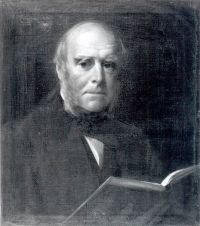
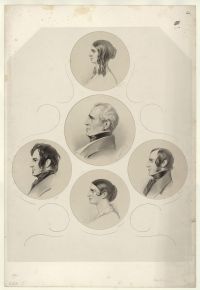
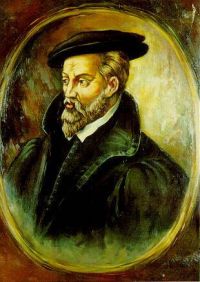
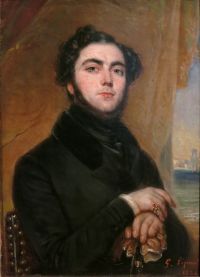
Portrait of Georgius Agricola Georgius Agricola,  De re metallica (1912) — Introduction (1912)

“ Georgius Agricola, with us. It is, therefore, our will that you should yield him up and forward him that he should with the utmost haste set forth to us here near Freiberg.” He was sent on various missions from the Duke to the Emperor Charles, to King Ferdinand of Austria, and to other Princes in matters connected with the war the fact that he was a Catholic probably entering into his appointment to such missions. Chemnitz was occupied by the troops of first one side, then the other, despite the great efforts of Agricola to have his own town specially defended. ”
Source: Wikisource

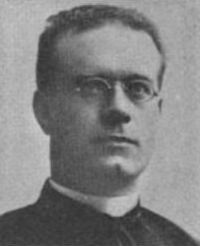
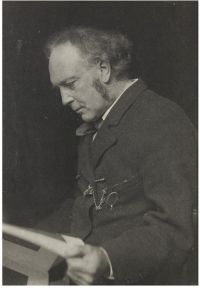
Portrait of Georgius Agricola Georgius Agricola,  De re metallica (1912) — Introduction (1912)

“ Agricola seems to have resigned his position at Joachimsthal in about 1530, and to have devoted the next two or three years to travel and study among the mines. About 1533 he became city physician of Chemnitz, in Saxony, and here he resided until his death in 1555. There is but little record of his activities during the first eight or nine years of his residence in this city. He must have been engaged upon the study of his subjects and the preparation of his books, for they came on with great rapidity soon after. ”
Source: Wikisource

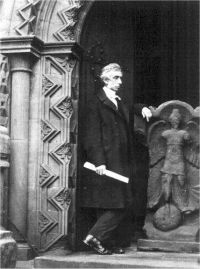
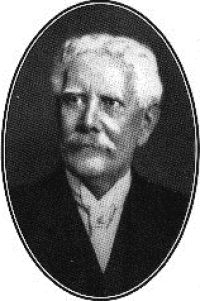
Portrait of Georgius Agricola Georgius Agricola,  De re metallica (1912) — Introduction (1912)

“ In 1533 he published De Mensuris et Ponderibus, through Froben, this being a discussion of Roman and Greek weights and measures. At about this time he began De Re Metallica not to be published for twenty-five years. Agricola did not confine his interest entirely to medicine and mining, for during this period he composed a pamphlet upon the Turks, urging their extermination by the European powers. ”
Source: Wikisource

Get perspective with Kwize: daily news enlightened by great literature