Greek art

Definition and stakes

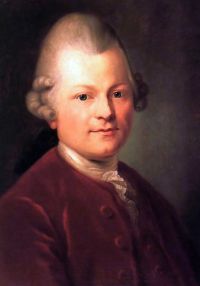
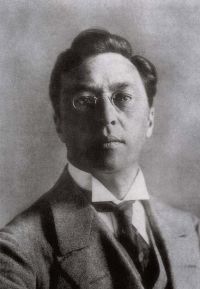
Portrait of Friedrich Schiller Friedrich Schiller,  Aesthetical Essays of Friedrich Schiller

“ This lively susceptibility on the score of suffering, this warm, ingenuous nature, showing itself uncovered and in all truth in the monuments of Greek art, and filling us with such deep and lively emotions—this is a model presented for the imitation of all artists; it is a law which Greek genius has laid down for the fine arts. It is always and eternally nature which has the first rights over man; she ought never to be fettered, because man, before being anything else, is a sensuous creature. ”
Source: Gutenberg

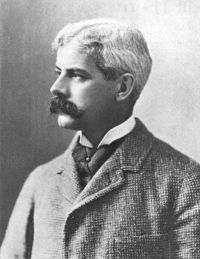
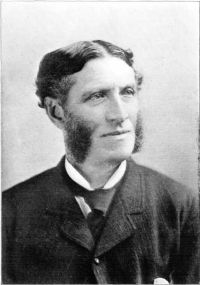
Portrait of Matthew Arnold Matthew Arnold,  Culture and Anarchy

“ Greek art, again, Greek beauty, have their root in the same impulse to see things as they really are, inasmuch as Greek art and beauty rest on fidelity to nature,—the best nature,—and on a delicate discrimination of what this best nature is. To say we work for sweetness and light, then, is only another way of saying that we work for Hellenism. But, oh! cry many people, sweetness and light are not enough; you must put strength or energy along with them, and make a kind of trinity of strength, sweetness and light, and then, perhaps, you may do some good. ”
Source: Gutenberg

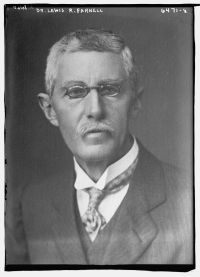
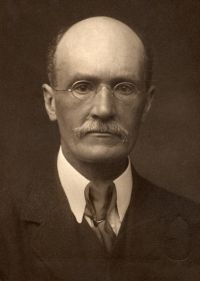
Portrait of Lewis Richard Farnell Lewis Richard Farnell,  Outline-history of Greek religion (1921)

“ The Greek artist, with his miraculous cunning of hand, could deal with such types as he could not have dealt with ‘the Word’ or with the ‘Buddha.’ Nor was he merely the exponent of the highest popular imagination, but, unconsciously perhaps and in obedience to a true art-tradition, at times a reformer and in any case a creator. For us his works have this value among others that, even more than the poetic literature, they reveal to us how the people at their best imagined their deities. ”
Source: Gutenberg

Get perspective with Kwize: daily news enlightened by great literature