Pediment

Definition and stakes

Charles Herbert Moore,  Character of Renaissance Architecture (1905)

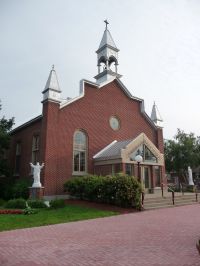
“ It is not worth while to give an extended analysis of its redundant details which, with its vast chimneys adorned with free-standing orders, niches, panelled surfaces, and pinnacles; its dormers with overlaid orders of pilasters, pediments, scrolls, and endless filigree ornaments; and its great lantern with inverted consoles on entablatures forming flying-buttresses (where there is nothing to be buttressed) , make up a bewildering complex without structural meaning or artistic merit. ”
Source: Gutenberg

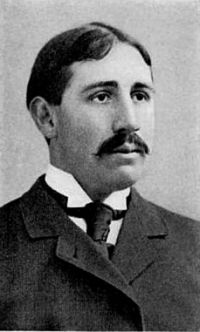
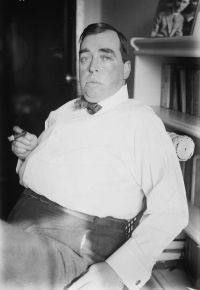
Portrait of Irvin S. Cobb Irvin S. Cobb,  Back Home: Being the Narrative of Judge Priest and His People

“ The old judge had half swung himself about in his chair and with his hand at his beard was looking out of the window.
“Mister Sheriff,” he said, without turning his head, “you may consider yourself relieved of the custody of the defendant at the bar. Mister Clerk, you may make out the commitment papers.” The clerk busied himself with certain ruled forms, filling in dotted lines with writing. The judge went on: “Despite the irregularity of the proceeding, this court is disposed to grant the request which the defendant has just made.
”
Source: Gutenberg

William Feilden Craies,  1911 Encyclopædia Britannica (1911)

“ The term “pleadings” is used for the collected whole of the statements of both parties; the term “pleading” for each separate part of the pleadings. The term “plea” (placitum, plaid) [1] is now applied in England oftenest to the defence made by an accused person. To “plead” is to make a pleading or plea. [2]
All systems of law agree in making it necessary to bring the grounds of a claim or defence before the court in a more or less definite and technical form.
Roman System.-In Roman law the action passed through three stages (see Action) , and the manner of pleading changed with the action.
”
Source: Wikisource

Get perspective with Kwize: daily news enlightened by great literature