Homeric tradition

Definition and stakes

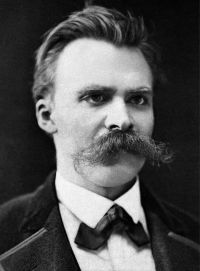
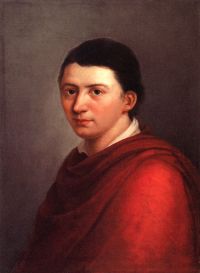
Portrait of Friedrich Wilhelm Nietzsche Friedrich Wilhelm Nietzsche,  Homer and Classical Philology

“ If we apply all these principles to the Homeric poems, it follows that we gain nothing with our theory of the poetising soul of the people, and that we are always referred back to the poetical individual. We are thus confronted with the task of distinguishing that which can have originated only in a single poetical mind from that which is, so to speak, swept up by the tide of oral tradition, and which is a highly important constituent part of the Homeric poems. ”
Source: Gutenberg

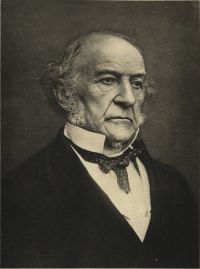
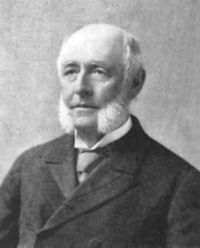
Portrait of W. E. Gladstone W. E. Gladstone,  Studies on Homer and the Homeric Age…

“ Proteus. 2. Leucothee. 3. Æolus (perhaps) . 4. The Sirens. 5. Calypso. 6. Atlas. 7. Circe. 8. Œetes. 9. Maias. 10. Perse. 11. Eidothee. And several Nymphs [542] .
4. Those impersonations which represent, each in its several part, or its peculiar aspect, the tradition of the Evil One, have been considered along with the deities of tradition.
5. Of ministers of doom or justice, real or reputed, and less than divine, yet belonging to the metaphysical or moral order, we have in Homer:
1.
”
Source: Gutenberg

Get perspective with Kwize: daily news enlightened by great literature