Lycia

Definition and stakes

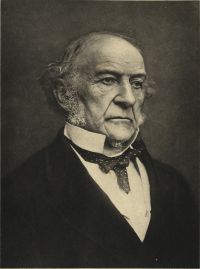
Portrait of John Lemprière John Lemprière,  A classical dictionary (1904)

“ Ly̆cia, a country of Asia Minor, bounded by the Mediterranean on the south, Caria on the west, Pamphylia on the east, and Phrygia on the north. It was anciently called Milyas and Tremile, from the Milyæ or Solymi, a people of Crete, who came to settle there. The country received the name of Lycia, from Lycus the son of Pandion, who established himself there. The inhabitants have been greatly commended by all the ancients, not only for their sobriety and justice, but their great dexterity in the management of the bow. They were conquered by Crœsus king of Lydia, and afterwards by Cyrus. ”

Source: Gutenberg

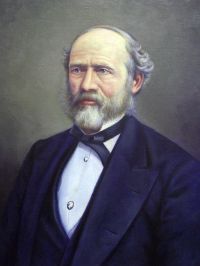
Portrait of Charles Lamb Charles Lamb,  The Works of Charles and Mary Lamb…

“ It is known to all nations that the men of Lycia are noted for a vain and fruitless superstition—the more hateful as it bears a show of true religion, but is indeed nothing more than a self-pleasing and bold wantonness. Many ages before this, when every man had taken to himself a trade, as hating idleness far worse than death, some one that gave himself to sloth and wine, finding himself by his neighbours rebuked for his unprofitable life, framed to himself a God whom he pretended to obey in his dishonesty; and, for a name, he called him Cupid. ”
Source: Gutenberg

Portrait of D. G. Hogarth D. G. Hogarth,  Accidents of an antiquary's life (1910)

“ No European has ever shot in Lycia, or so much as seen, alive or dead, the royal beast whose effigy is so often carved on Lycian tombs; and maybe, this arslán of Deliklitash was no more than the panther, which ranges other Anatolian mountains, less unknown than the Lycian Alps.
Arrived abreast of a ruddy patch on the northern side of the ravine, which he said was the dump-heap of an ancient copper mine, the guide bore away to the left, and led us up the steep slope among pines.111 There was no track but such as goats make, and the rock-steps made long striding for booted and gaitered men
”
Source: Gutenberg

Get perspective with Kwize: daily news enlightened by great literature