The Open Door Policy, a foundational element of U.S. diplomacy in the late 19th and early 20th centuries, promoted equal trading opportunities and the preservation of China’s territorial boundaries, as outlined in John Hay’s 1899 correspondence. Although frequently referenced, the policy lacked enforceability and encountered opposition from imperial nations.
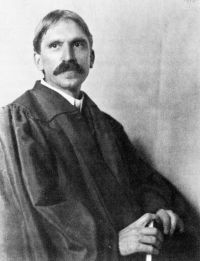
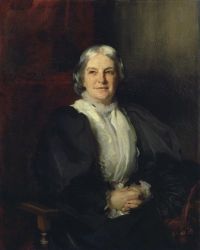
Later, Deng Xiaoping’s 1978 economic reforms reinterpreted the concept, spurring China’s incorporation into the global economic system. Thinkers such as John Dewey criticized its idealism, whereas others, like Octavia Hill, highlighted the importance of open access to public spaces, illustrating wider themes of fairness and governance. The policy’s influence persists as a debated fusion of idealism and practicality in international affairs.