Palazzo Farnese

Definition and stakes

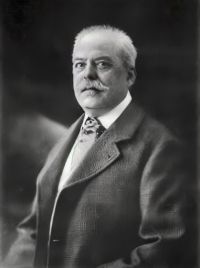
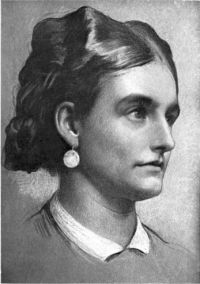
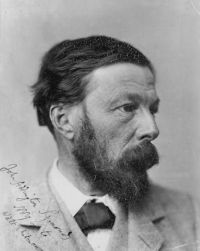
Portrait of Augustus J. C. Hare Augustus J. C. Hare,  Walks in Rome

“ We now reach the Palazzo Farnese,—the most magnificent of all the Roman palaces,—begun by Paul III., Alessandro Farnese (1534—50) , and finished by his nephew, Cardinal Alessandro Farnese. Its architects were Antonio di Sangallo, Michael Angelo, and Giacomo della Porta, who finished the façade towards the Tiber. The materials were plundered partly from the Coliseum and partly from the theatre of Marcellus; the granite basons of the fountains in front are from the baths of Caracalla. The immense size of the blocks of travertine used in the building give it a solid grandeur. ”
Source: Gutenberg

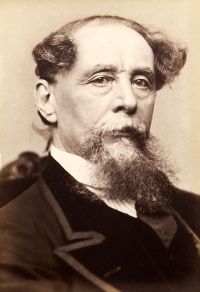
Portrait of John Addington Symonds John Addington Symonds,  The Life of Michelangelo Buonarroti

“ Taken as a whole, the Palazzo Farnese remains the most splendid of the noble Roman houses, surpassing all the rest in pomp and pride, though falling short of Peruzzi's Palazzo Massimo in beauty.
The catastrophe of 1527, when Rome was taken by assault on the side of the Borgo without effective resistance being possible, rendered the fortification of the city absolutely necessary. Paul III determined to secure a position of such vital importance to the Vatican by bastions. Accordingly he convened a diet of notables, including his architect-in-chief, Antonio da Sangallo.
”
Source: Gutenberg

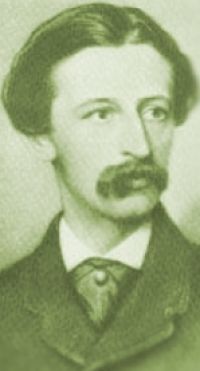
Portrait of Émile Zola Émile Zola,  The Three Cities Trilogy, Complete

“ And this is but a part of the palace. The ground floor is altogether uninhabited; the French “École de Rome” occupies a corner of the second floor; while the embassy huddles in chilly fashion in the most habitable corner of the first floor, compelled to abandon everything else and lock the doors to spare itself the useless trouble of sweeping. No doubt it is grand to live in the Palazzo Farnese, built by Pope Paul III and for more than a century inhabited by cardinals ”
Source: Gutenberg

Get perspective with Kwize: daily news enlightened by great literature