Thomas Chippendale

Definition and stakes

James George Joseph Penderel-Brodhurst,  1911 Encyclopædia Britannica, Volume 6… (1911)

“ Since the revival of interest in his work he has often been criticized with considerable asperity, but not always justly. Chippendale’s work has stood the supreme test of posterity more completely than that of any of his rivals or successors; and, unlike many men of genius, we know him to have been warmly appreciated in his lifetime. He was at once an artist and a prosperous man of business. His claims to distinction are summed up in the fact that his name has by general consent been attached to the most splendid period of English furniture. ”
Source: Wikisource

James George Joseph Penderel-Brodhurst,  1911 Encyclopædia Britannica, Volume 6… (1911)

“ The primary characteristic of his work is solidity, but it is a solidity which rarely becomes heaviness. Even in his most lightsome efforts, such as the ribbon-backed chair, construction is always the first consideration. It is here perhaps that he differs most materially from his great successor Sheraton, whose ideas of construction were eccentric in the extreme. It is indeed in the chair that Chippendale is seen at his best and most characteristic. ”
Source: Wikisource

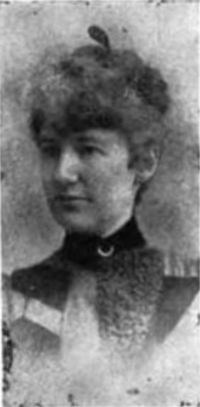
Portrait of N. Hudson Moore N. Hudson Moore,  The Old Furniture Book, with a Sketch of Past Days and Ways

“ About the time that Chippendale came on the field (1750) it had become the custom for architects and designers to publish catalogues of their designs. Thomas Chippendale, a progressive business man, was not behind his contemporaries, so in 1754 he published his catalogue, which he called "The Gentleman's and Cabinet-Maker's Director." ”
Source: Gutenberg

Get perspective with Kwize: daily news enlightened by great literature