Tsimshian people

Definition and stakes

State Council Information Office of the People's Republic of China,  Historical Witness to Ethnic Equality… (2015)

“ Under the firm leadership of the CPC and the central government, and with the generous support of the whole nation, the people of all ethnic groups in Xinjiang have unswervingly followed the path of socialism with Chinese characteristics, pursued ethnic equality, unity and development, practiced the system of ethnic regional autonomy, and brought about enormous changes in all areas north and south of the Tianshan Mountains. ”
Source: Wikisource

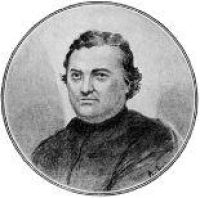
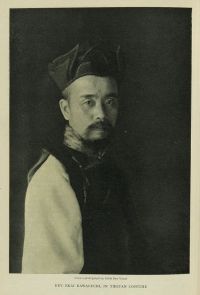
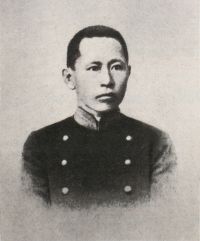
Portrait of Gombojab Tsybikov Gombojab Tsybikov,  Lhasa and Central Tibet (1903)

“ The affairs of Tibet in general are ruled by the hereditary aristocracy, whether it be the son who inherits his father's rights or the incarnate who inherits the rights of his predecessor. As the born aristocracy lives in strict isolation, not mingling with the common people, the central government, despite its deliberative character, may be called an aristocratic oligarchy. ”
Source: Wikisource

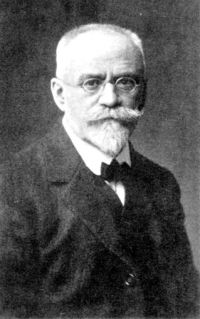
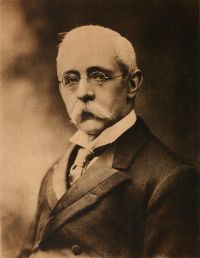
Portrait of Joseph Deniker Joseph Deniker,  The Races of Man: An Outline of Anthropology and Ethnography

“ They represent all that remains of a once powerful people, the founders of the empire of Champa, which extended over the whole of Annam, as it now is, and the southern part of Tong King. A section of the Tziam are Mussulmans, but the majority are animist. The physical type is handsome; nose almost aquiline, eyes without the Mongoloid fold, wavy or frizzy hair, dark skin. Contrary to what exists among other peoples of Indo-China, among the Tziams it is the woman who asks the hand in marriage. ”
Source: Gutenberg

Get perspective with Kwize: daily news enlightened by great literature