Vedic Sanskrit

Definition and stakes

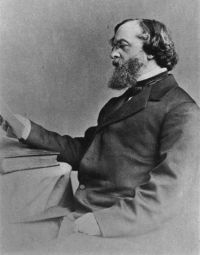
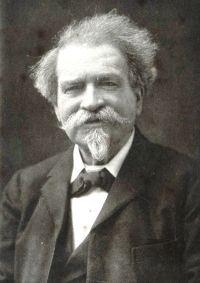
Portrait of F. Max Müller F. Max Müller,  India: What can it teach us?

“ I feel convinced that, placed as we are here in this life, we have lessons to learn from the Veda, quite as important as the lessons we learn at school from Homer and Virgil, and lessons from the Vedânta quite as instructive as the systems of Plato or Spinoza.
I do not mean to say that everybody who wishes to know how the human race came to be what it is, how language came to be what it is, how religion came to be what it is, how manners, customs, laws, and forms of government came to be what they are, how we ourselves came to be what we are, must learn Sanskrit, and must study Vedic Sanskrit.
”
Source: Gutenberg

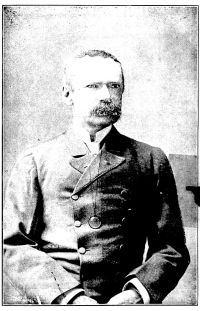
Portrait of Arthur Anthony Macdonell Arthur Anthony Macdonell,  A History of Sanskrit Literature (1900)

“ There was, in fact, even in the earlier Vedic age, a caste language, such as is to be found more or less wherever a literature has grown up; but in India it has been more strongly marked than in any other country. If, however, Vedic was no longer a natural tongue, but was already the scholastic dialect of a class, how much truer is this of the language of the later literature! Sanskrit differs from Vedic, but not in conformity with the natural development which appears in living languages. The phonetic condition of Sanskrit remains almost exactly the same as that of the earliest Vedic. ”
Source: Wikisource

Portrait of F. Max Müller F. Max Müller,  India: What can it teach us?

“ The ancient Vedic poetry was said to be, if not of foreign origin, at least very much infected by foreign, and more particularly by Semitic influences. It had always been urged by Sanskrit scholars as one of the chief attractions of Vedic literature that it not only allowed us an insight into a very early phase of religious thought, but that the Vedic religion was the only one the development of which took place without any extraneous influences, and could be watched through a longer series of centuries than any other religion. ”
Source: Gutenberg

Get perspective with Kwize: daily news enlightened by great literature