Carrier (transport)

Definition and stakes

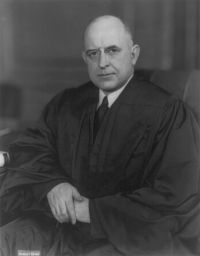
Portrait of William O. Douglas William O. Douglas,  United States v. Carolina Freight Carriers Corporation…

“ By § 208 (a) the certificate must specify 'the service to be rendered' by the carrier. As we have noted, a 'common carrier by motor vehicle' was defined in § 203 (a) (14) as one who 'undertakes' to transport 'passengers or property, or any class or classes of property, for the general public'. That definition is the same for irregular and regular route carriers. It is plain that a carrier's holding out and actual performance may be limited to a few articles only. That is to say he may be a common carrier only of a restricted number of commodities. ”
Source: Wikisource

Portrait of Edwin A. Pratt Edwin A. Pratt,  A History of Inland Transport and Communication in England… (1912)

“ From the great stores which keep their "fleet" of delivery cars, and from the furniture-remover who wants the equivalent almost of a traction-engine down to the draper, the grocer or the butcher who is content with a modest three-wheel auto-carrier for loads up to five or ten cwt., every class of trader is to-day finding that, to keep pace with the times, and to deliver goods as promptly and at the same distances as his competitors, he must needs have a quicker means of road transport than a horsed-vehicle. ”
Source: Wikisource

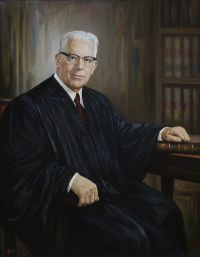
Portrait of William O. Douglas William O. Douglas,  Interstate Commerce Commission v…

“ Contract Carrier Application, supra. The desire of a shipper to engage the services of a particular carrier, although based on sound and legitimate business reasons, does not control decision as to transportation needs, and is not, standing alone, enough to require a finding that the proposed service would be consistent with the public interest or national transportation policy. ”
Source: Wikisource

Get perspective with Kwize: daily news enlightened by great literature