Chanson

Definition and stakes

The Art of Music. Vol. 01 (of 14…

“ It is true that secular music was the first to benefit by the advance, for it preserved naturally all the elements which the new law purposed to regulate. Hence the first form—that which constitutes the first ground of interaction, the transition to the polyphonic form of church music—was the popular chanson, an elementary form of song, evidently developed from the canson and the ballad of the Troubadours, etc., which, as we know, were composed for a solo voice with an improvised instrumental accompaniment. ”
Source: Gutenberg

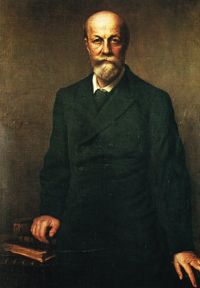
Portrait of George Saintsbury George Saintsbury,  The Flourishing of Romance and the Rise of Allegory

“ The million lines of the chansons de geste do not demand discussion in anything like direct proportion to their bulk. One fabliau, much more one minnesong or troubadour lyric, has a far greater resemblance [Pg 415] of kind to its fellows than even one modern novel, even one nineteenth-century minor poem, to another. As the men write in schools, so they can be handled in them. ”
Source: Gutenberg

Portrait of Henry Osborn Taylor Henry Osborn Taylor,  The Mediaeval Mind (1911)

“ In the
fusing of melody and words into an utterance of song—at last into a strophe—music worked potently, shaping the composition of the lines, moulding them to rhythm, insisting upon sonorousness in the words, promoting their assonance and at last compelling them to rhyme so as to meet the stress, or mark the ending, of the musical periods. Thus the exigencies of melody helped to evoke the finished verse, while the words reciprocating through their vocal capabilities and through the inspiration of their meaning, aided the evolution of the melodies.
”
Source: Wikisource

Get perspective with Kwize: daily news enlightened by great literature