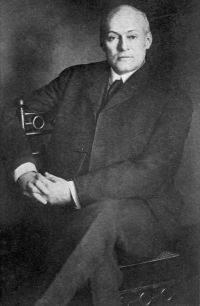
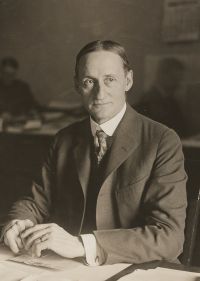
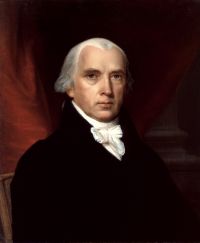
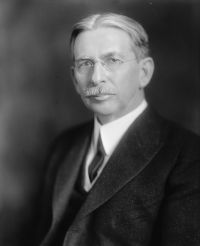
The chief executive officer (CEO) represents the highest-ranking executive in charge of an organization's overall management and strategic direction. This role, examined by individuals such as Thames Williamson, who focused on accountability in administrative appointments, and Benjamin Harrison, who underscored the ceremonial importance of the presidential oath, highlights the CEO's dual function as both a managerial leader and a symbolic figure of authority.
Herbert Croly advocated for centralized oversight to guarantee administrative efficiency, while Charles Loring Brace emphasized the CEO's need for independence to advance organizational goals. These viewpoints together illustrate the CEO as a crucial intermediary between institutional governance and operational implementation, connecting hierarchical control with public responsibility.