Cold compress

Definition and stakes

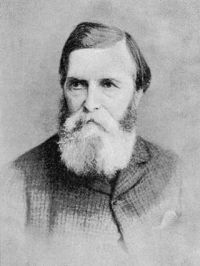
Portrait of Martha Meir Allen Martha Meir Allen,  Alcohol: A Dangerous and Unnecessary Medicine…

“ The hot fomentations relieve the pain, and the cold compresses check the diseased process. The compresses should be wrung out of cold water, and changed every five to eight minutes, or as often as they become warm. Although the cool compresses are not usually liked by the patient, they will soon give relief if their use is continued, and they do much towards shortening the course of the disease. Care should be taken to keep the patient’s body from being wet except where the treatment is applied. The cold compress is much used in the large hospitals of Germany. ”
Source: Gutenberg

Mary L. Read,  The mothercraft manual (1916)

“ A cold compress is a mild counter-irritant. Water reaches tissues below the surface, and for deep-seated disorders is therefore more effective than dry applications, when practicable. Care must be taken to protect hair, clothing and bedding from dampness, by use of rubber cloth or oiled silk. For young children, temperatures must be less severe and changes more gradual than with adults. The nurse should test the heat of applications by applying to her own face. ”
Source: Gutenberg

Mary L. Read,  The mothercraft manual (1916)

“ Cold Bath, Tub or Sponge. For fever. Cool as patient can react from, beginning at 85° and working lower. Give several times during day, continuing ten to fifteen minutes. Add 25% alcohol for severe cases.
Cold Compress. Useful as counter-irritant and stimulant in sore throat, cough, croup, cold in chest, constipation. Wring cloth out of cold water (50°) ; wrap on part; cover with flannel and with oiled silk or rubber sheeting. Leave on overnight. For greater effect, may be preceded by hot fomentation. For throat, apply from ear to ear, bring up behind ears and hold in place by tapes over head.
”
Source: Gutenberg

Get perspective with Kwize: daily news enlightened by great literature