Cold (disease)

Definition and stakes

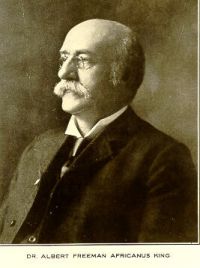
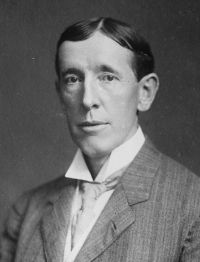
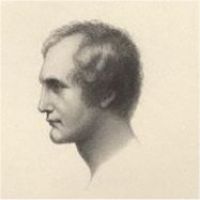
Portrait of Samuel Hopkins Adams Samuel Hopkins Adams,  The Health Master

“ Clyde.
“There’s the measure of their intelligence, then,” returned the Health Master. “Sickness is sickness, just as surely as a flame is fire; and there is no telling, once it’s well started, how much damage it may do.”
“But a cold is only in the head, or rather, in the nose,” persisted Mrs. Sharpless.
“That’s where you’re wrong. Coryza is a disease of the whole system, and it weakens the whole system. The symptoms are most apparent in the nose and mouth: and it is from the nose and mouth that the disease is spread. But if you’ve got the cold you’ve got it in every corner of your being.
”
Source: Gutenberg

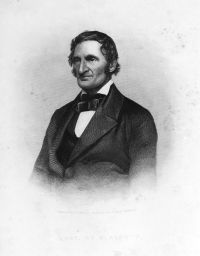
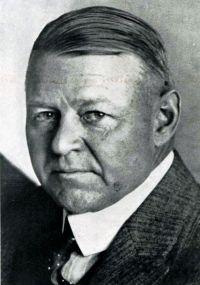
Portrait of Thomas Curtis Clarke Thomas Curtis Clarke,  American Pocket Library of Useful Knowledge (1841)

“ Injury to health may be caused either by the clothes being inadequate to defend the wearer from the cold, or from sudden changes in the weather, by their impeding the free motions of the limbs, or by their compressing or binding too firmly some part of the body.
The influence of cold.–Disease is produced by exposure to the night air or inclement weather, after being heated in crowded apartments, or by exercise, as dancing, &c. In the poorer and impoverished classes, cold, during winter, is a continued and fruitful source of suffering and disease.
”
Source: Wikisource

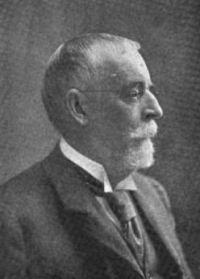
Frank Overton,  Applied Physiology, Including the Effects of Alcohol and Narcotics

“ Other things besides cold air and dampness may weaken the body, and so help us to take cold. If germs of colds are in a warm room, we may sit there and take cold even if we are not wet or chilled at all. The body may be weakened by poor food, wrong eating, or overwork, so that disease germs will easily grow in it. We take as many colds from these causes as from cold air and dampness. ”
Source: Gutenberg

Get perspective with Kwize: daily news enlightened by great literature