Compunction

Definition and stakes

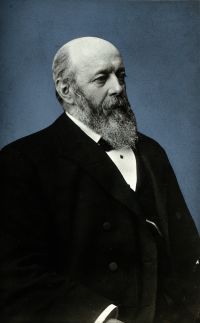
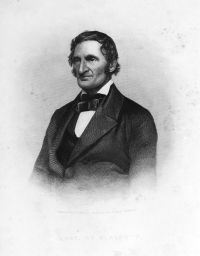
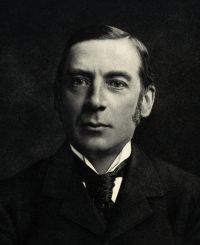
Portrait of George Frederick Barker George Frederick Barker,  Popular Science Monthly (1880)

“ In this view of the matter the normal condition of the muscle is one of charge, of elongation. Contraction results from the simple elasticity of the muscle itself, the function of the nerve being only that of a discharger. Whether this theory represents the actual fact or not, in all its details, it is supported by the existence of rigor mortis, by the continued relaxation of muscle during the flow of the current, by the cessation of contraction on the free access of blood, and by many other phenomena otherwise difficult to explain. ”
Source: Wikisource

Calvin Cutter,  A Treatise on Anatomy, Physiology…

“ Compression prevents the blood from passing to the muscles with freedom; consequently, they are not supplied with material to renovate and promote their growth. Again, pressure stimulates the lymphatics to action; and by the increased activity of these vessels the muscles are attenuated. In the case of a man with a fractured limb, the muscles are not only enfeebled by inaction, but diminished in size by compression from the dressing. Limbs enfeebled in this way will not recover their size, tone, and strength, until the bandages are removed, and a proper amount of exercise taken. ”
Source: Gutenberg

Mountain Craft (1920)

“ In difficult crack climbing the extent to which pressure, the jamming of a leg, the touch of a calf or knee, or the twisting of a hand or forearm can be used to ease the muscular strain must be learned by practice. A fist or finger may be hooked in a smooth rift, or a foot slanted into a crack, with only friction attachment, and a slight twist to arm or leg converts either into a secure lever for lifting the weight. The clenching of the fist or the tightening of the muscles of a jammed forearm, or even the inflation of the chest, may at need serve the same purpose. ”
Source: Gutenberg

Get perspective with Kwize: daily news enlightened by great literature