Conservation of momentum

Definition and stakes

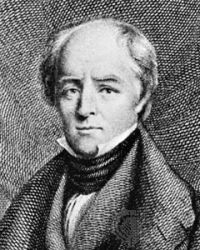
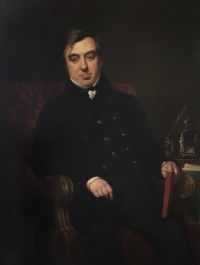
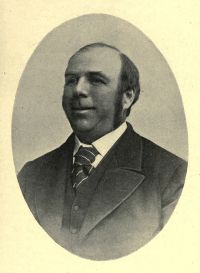
Portrait of Robert S. Ball Robert S. Ball Time and Tide: A Romance of the Moon

Of the two endowments of energy and of moment of momentum originally conferred on our system the moment of momentum is the entailed estate. No matter how the bodies may move, no matter how their actions may interfere with one another, no matter how this body is pulled one way and the other body that way, the conservation of moment of momentum is not imperilled, nor, no matter what losses of heat may be experienced by radiation, could the store of moment of momentum be affected.
Source: Gutenberg

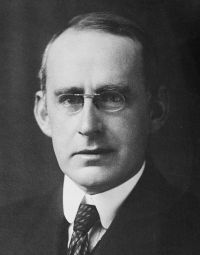
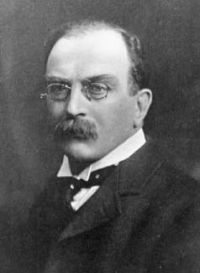
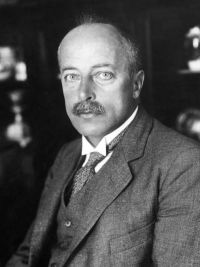
Portrait of Sir Arthur Stanley Eddington Sir Arthur Stanley Eddington The nature of the physical world (1928)

The law of conservation of momentum and energy results from the overlapping of the different aspects in which the “non-emptiness of space” presents itself to our practical experience. Once again we find that a fundamental law of physics is no controlling law but a “put-up job” as soon as we have ascertained the nature of that which is [Pg 239] obeying it. We can measure certain forms of energy with a thermometer, momentum with a ballistic pendulum, stress with a manometer. Commonly we picture these as separate physical entities whose behaviour towards each other is controlled by a law.
Source: Gutenberg

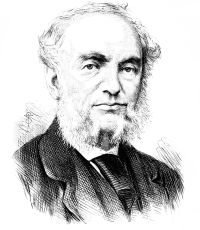
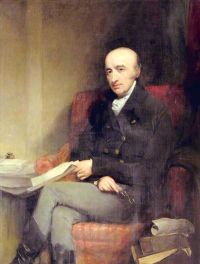
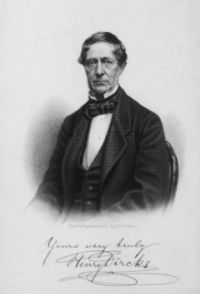
Portrait of Balfour Stewart Balfour Stewart The conservation of energy (1875)

Now, it is the doctrine of modern science that the same is true of force. Force seems often [Pg 172] to be annihilated. Two cannon-balls of equal size and velocity meet each other and fall motionless. The immense energy of these moving bodies seems to pass out of existence. But not so; it is changed into heat, and the exact amount of heat may be calculated; moreover, an equal amount of heat may be changed back again into an equal amount of momentum.
Source: Gutenberg

Get perspective with Kwize: daily news enlightened by great literature