Contract of carriage

Definition and stakes

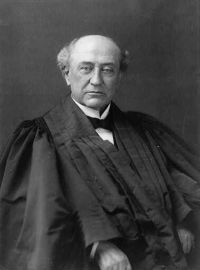
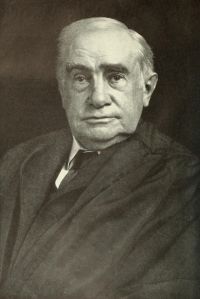
Lucius Quintus Cincinnatus Lamar New York Company v. Winter's Admistrator…

While it may be admitted, as a general rule, that the contract between the passenger and the railroad company is made up of the ticket which he purchases and the rules and regulations of the road, yet it does not follow that parol evidence of what was said between the passenger and the ticket seller from whom he purchased his ticket, at the time of such purchase, is inadmissible, as going to make up the contract of carriage, and forming a part of it.
Source: Wikisource

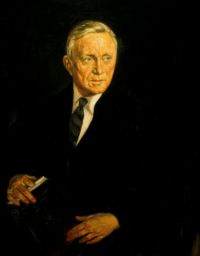
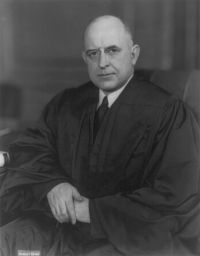
Portrait of William O. Douglas William O. Douglas Interstate Commerce Commission v…

Strictly regulated common carriage was considered the backbone of the motor transport industry. Contract carriers might be able to perform certain specialized transportation tasks more easily than common carriers, and when this was so they should be allowed to enter the field. In order to preserve the financial and operational capacity of common carriers to perform the variety of tasks required by the public, however, applicants for a contract-carrier permit must not be awarded business that existing common carriers are equipped and obliged in their certificates to handle.
Source: Wikisource

Portrait of William O. Douglas William O. Douglas Interstate Commerce Commission v…

The Motor Carrier Act expresses a policy, as we have seen, of preserving existing common carriage against the inroads of contract carriage. One way of putting that policy into effect is to deny a contract-carrier application, as the Commission has always done, unless the applicant can demonstrate that its service will be substantially superior to that afforded by existing carriers. Another way of describing this practice, which the 1957 amendments have in no way affected, is that no permit will issue for traffic that can be handled with reasonable adequacy by a protestant.
Source: Wikisource

Get perspective with Kwize: daily news enlightened by great literature